
High blood pressure—also called hypertension—is one of the most common health conditions in adults. It often has no obvious symptoms, which is why it is sometimes called a “silent” condition. Even when you feel perfectly fine, consistently high blood pressure can place extra stress on your heart and blood vessels.
The good news? Managing blood pressure doesn’t always require making drastic changes overnight. Small, consistent improvements in your daily habits can make a meaningful difference.
Here are five practical changes that can help.
1. Cut Back on Sodium
One of the simplest places to start is with salt.
Too much sodium can cause your body to retain fluid, which can contribute to higher blood pressure. You don’t necessarily have to give up flavorful foods—try reducing the amount of added salt and paying closer attention to packaged and restaurant foods, which can contain surprisingly large amounts of sodium.
Try:
- Choosing fresh or minimally processed foods more often
- Reading nutrition labels for sodium content
- Using herbs, spices, garlic, lemon, or other seasonings instead of extra salt
- Limiting processed meats, canned soups, chips, and highly processed convenience foods
Small change: Taste your food before automatically reaching for the salt shaker.
2. Move a Little More
You don’t have to become a marathon runner to benefit from physical activity.
Regular movement can help lower blood pressure, support a healthy weight, improve cardiovascular fitness, and reduce stress.
If you are currently inactive, start small. A short walk after dinner, taking the stairs when appropriate, gardening, or simply getting up and moving throughout the day can be a good beginning.
As your fitness improves, gradually work toward regular moderate physical activity, as recommended by your healthcare provider.
Small change: Add a 10–15 minute walk to your day and build from there.
3. Pay Attention to Your Weight
If you are overweight, even modest weight loss may help improve blood pressure.
This doesn’t mean you need to reach your “ideal” weight before you see benefits. Losing even a relatively small amount of weight can be a positive step toward better blood pressure and overall health.
Rather than focusing only on the number on the scale, concentrate on sustainable habits:
- Smaller portions
- More vegetables and fruits
- Lean sources of protein
- More water and fewer sugary drinks
- Regular physical activity
- Fewer highly processed foods
Small change: Choose one meal each day to make a little healthier.
4. Take Your Medication Exactly as Prescribed
Lifestyle changes are important, but many people with hypertension also need medication to keep their blood pressure under control.
If your healthcare provider has prescribed blood pressure medicine, take it exactly as directed—even when you feel well.
Remember, high blood pressure frequently doesn’t cause symptoms. Feeling fine doesn’t necessarily mean your blood pressure is controlled.
If you are experiencing side effects, having trouble remembering your medication, or having difficulty paying for your prescriptions, talk with your healthcare provider rather than stopping the medication on your own. There may be other options.
Small change: Take your medication at the same time every day and connect it with an established routine, such as brushing your teeth.
5. Know Your Numbers
You can’t manage what you don’t measure.
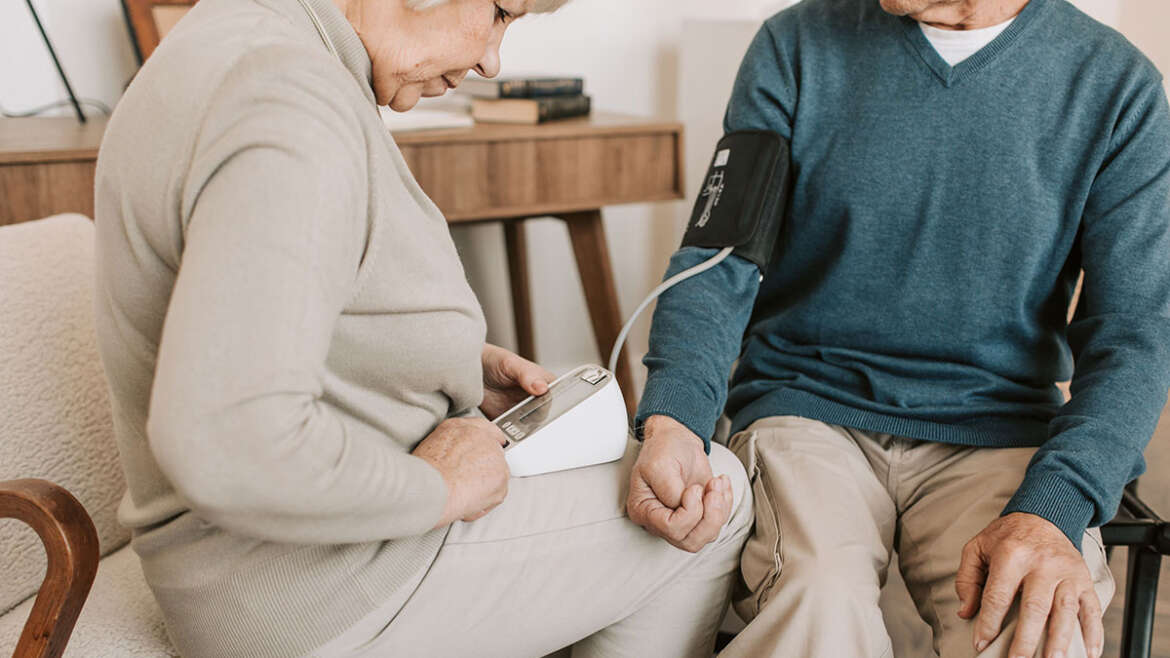
Checking your blood pressure regularly can help you and your healthcare provider understand how well your treatment plan is working. For some patients, home blood pressure monitoring can provide valuable information between office visits.
When checking your blood pressure at home:
- Sit quietly for several minutes beforehand.
- Keep your feet flat on the floor.
- Support your arm at approximately heart level.
- Use an appropriately sized upper-arm cuff.
- Avoid caffeine, exercise, and smoking shortly before checking when possible.
- Keep a record of your readings to discuss with your healthcare provider.
One unusually high reading does not always mean there is an emergency. However, very high blood pressure accompanied by symptoms such as chest pain, shortness of breath, severe headache, weakness, confusion, vision changes, or difficulty speaking requires immediate medical attention.
Small change: Keep a blood pressure log and bring it to your appointments.
Think Small. Think Consistent.
Managing high blood pressure is not about making five perfect changes tomorrow.
It’s about making small changes you can maintain.
Maybe you start by taking a short walk. Then you reduce the salt in your diet. You begin checking your blood pressure at home. You take your medication consistently. Over time, those individual choices can become healthy routines.
And those routines can have a big impact.
Your Blood Pressure Is Part of the Bigger Picture
Blood pressure is closely connected to many aspects of your health. Managing it can help reduce the risk of serious complications, including heart disease, stroke, kidney disease, and other cardiovascular problems.
Your healthcare provider can help determine your blood pressure goals and whether lifestyle changes, medication, or a combination of both is appropriate for you.
At Winfield Family & Occupational Medicine, we believe good health starts with understanding your numbers and having a plan you can realistically follow.
Five Small Changes to Remember
1. Eat less sodium.
2. Move more.
3. Work toward a healthy weight.
4. Take medications as prescribed.
5. Know and track your blood pressure numbers.
Small changes can make a big difference—and we’re here to help you make them.
This article is intended for general educational purposes and is not a substitute for individualized medical advice. Blood pressure goals and treatment recommendations vary from person to person. Talk with your healthcare provider about what is right for you.
